
Kiwi Pukupuku: Little Spotted Kiwi

The Tiny Forager
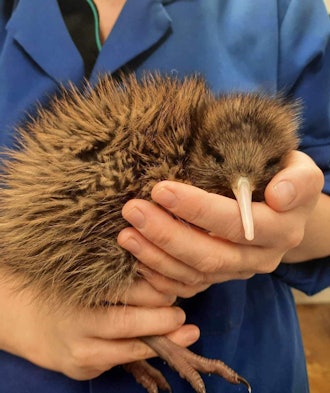
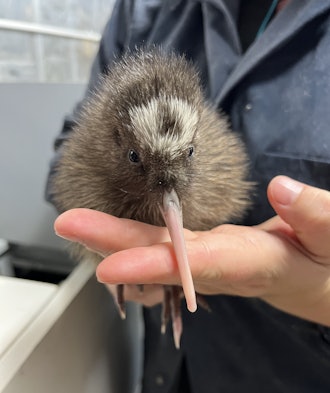
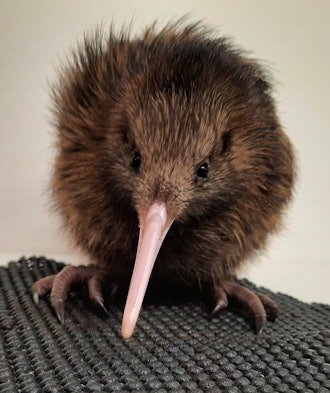
Kiwi pukupuku are our smallest kiwi — quick, curious, and full of personality as they dart through leaf litter in search of food.
Once thought lost from the mainland, their recent West Coast rediscovery has brought real hope for this special taonga.
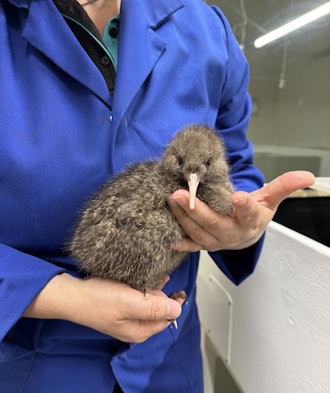
Still vulnerable to predators, they rely on conservation. At Willowbank, we help give chicks a safe start before their return to the wild.
Kiwi pukupuku Facts
New Zealand
Kiwi pukupuku are primarily found on islands and predator-free sanctuaries, including Kapiti Island and offshore conservation sites. Recent sightings on the mainland indicate successful reintroduction efforts.
Dense Forrest
They prefer dense forest, scrubland, and regenerating bush, with abundant ground cover for shelter during the day.
Omnivore
Kiwi pukupuku are omnivores, feeding mainly on insects, worms, spiders, and occasional seeds or berries.
Nocturnal
They are nocturnal, shy, and territorial, often foraging alone or in mated pairs. Their calls help maintain territory and communicate with nearby kiwi.
35-45 cm
Adults measure about 35–45 cm tall and weigh 0.9–1.9 kg, making them the smallest kiwi species.
25-50 years
They can live 25–50 years in the wild when protected from predators.
At Risk – Recovering
Kiwi pukupuku are classified as At Risk – Recovering. Their populations are carefully managed in predator-free sanctuaries, and the recent mainland sightings highlight the success of conservation and reintroduction efforts.
Kiwi House
Allow your eyes time to adjust to the low light when visiting our nocturnal kiwi house in the natives area of the Reserve. Photography is not permitted inside the Kiwi Nocturnal House.

More animals
Visit Us
We’re open daily from 9.30am to 5pm - rain or shine. The only exception? Christmas Day, when we take a well earned break.
Book Now