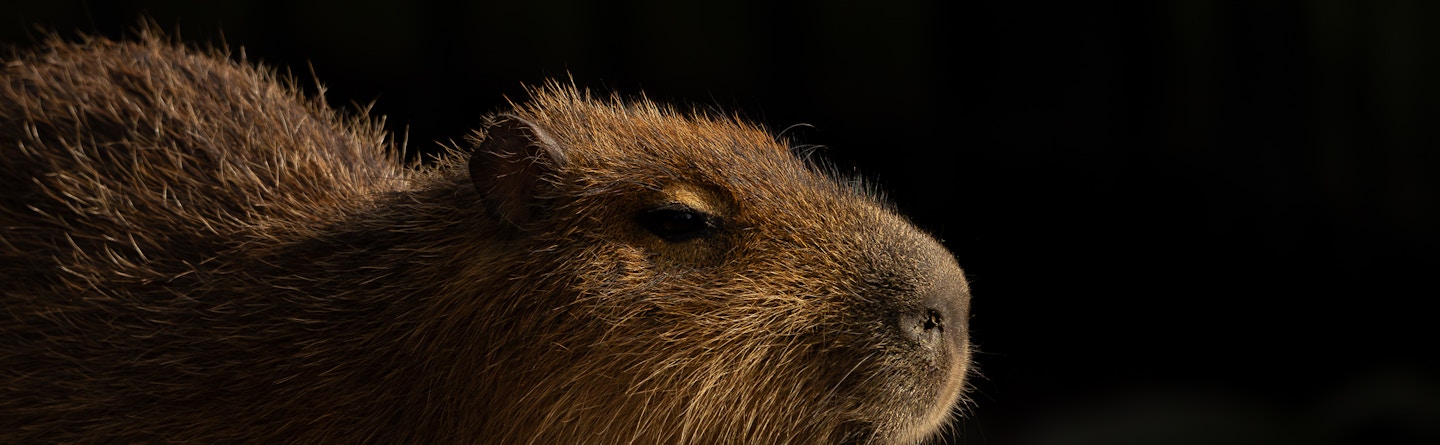
Capybara

Gentle Giant of the Wetlands
Capybara, the world’s largest rodent and highly social, has flourished at Willowbank since arriving in 2019, with successful on-site breeding.
Across South America, habitat loss, hunting, and water pollution threaten these “gentle giants of the wetlands,” highlighting the importance of wetland conservation worldwide.
Capybara Facts
South America
Capybaras are native to South America, commonly found in Brazil, Venezuela, Colombia, and surrounding countries. They inhabit areas near rivers, lakes, marshes, and wetlands where water is abundant.
Wetlands
Capybaras live in wetlands, riversides, marshes, and grasslands. They prefer areas with plentiful water and vegetation, which provide food, shelter, and opportunities for swimming and socialising.
Herbivores
Capybaras are herbivores, feeding mainly on grasses, aquatic plants, fruits, and bark. They graze throughout the day and often feed near water, using their strong teeth to clip and chew vegetation.
Social and Gentle
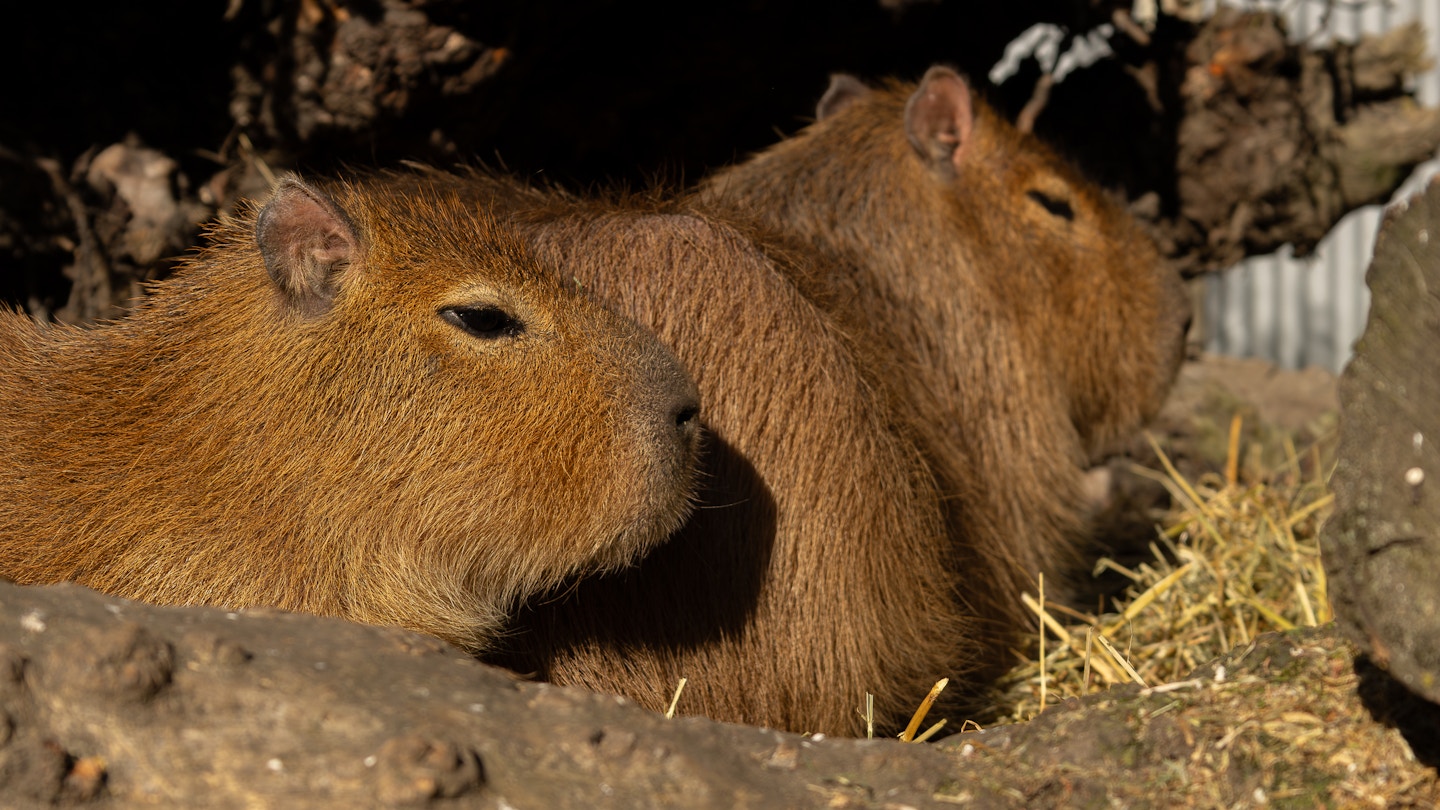
Highly social and gentle, Capybaras live in groups of 10–20 individuals. They are active during the day, the often form close bonds within the group and with other species.
106–134 cm
The largest rodents in the world, measuring 106–134 cm in length and standing 50–62 cm tall at the shoulder. Fully grown adults weigh 35–66 kg.
8-10 years
Capybaras typically live 8–10 years in the wild, with some individuals reaching up to 12 years in protected or captive environments.
Least Concern
Classified as Least Concern, Capybara populations are stable, though local management may be needed to balance human-wildlife interactions and protect wetland habitats.
Exotic Area
Come and meet these iconic rodents in the exotic area of our Reserve, better yet book an encounter to meet them personally.

More animals
Visit Us
We’re open daily from 9.30am to 5pm - rain or shine. The only exception? Christmas Day, when we take a well earned break.
Book Now