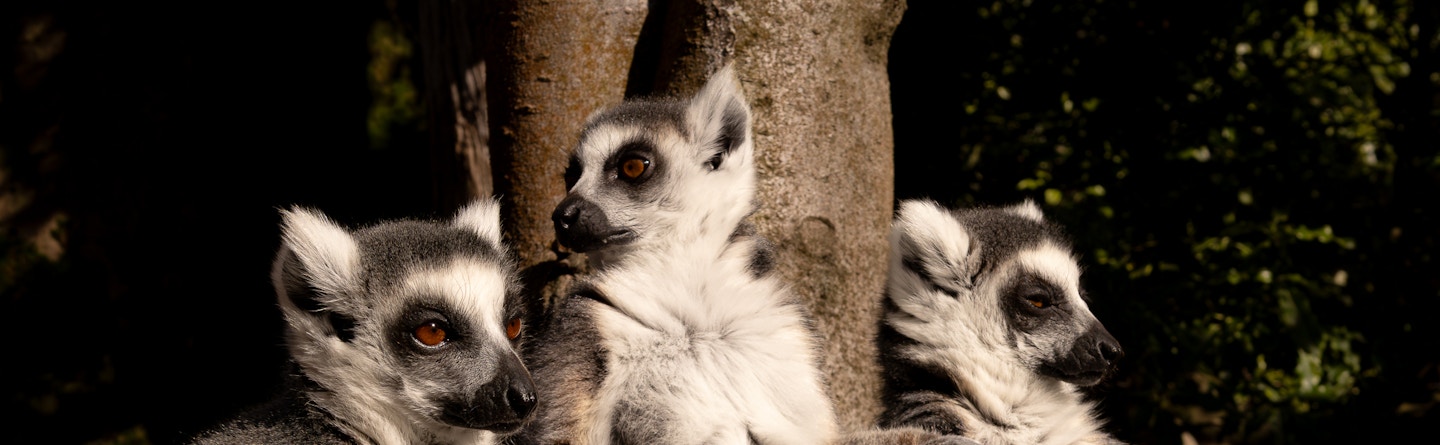
Ring Tailed Lemur

A Tail You’ll Remember
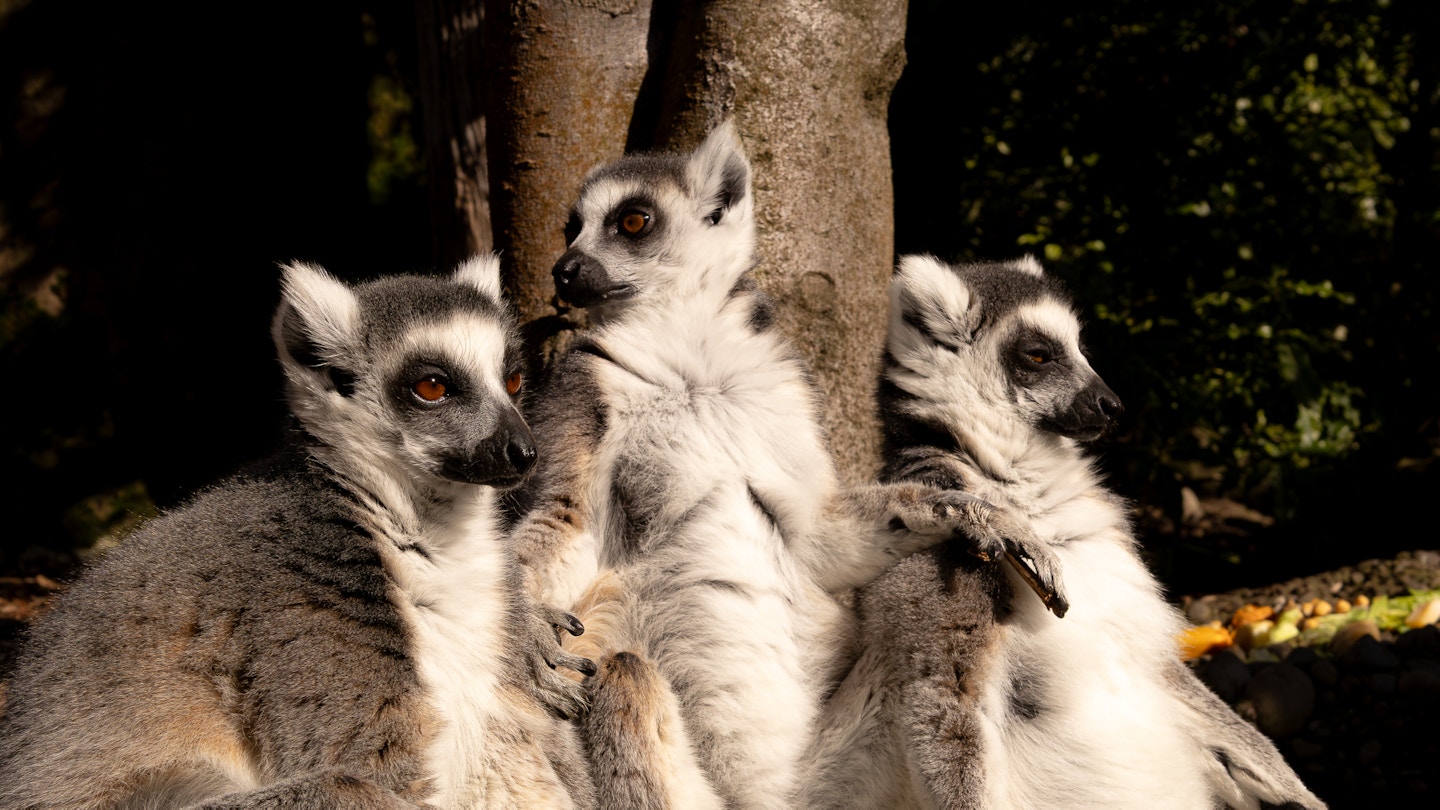
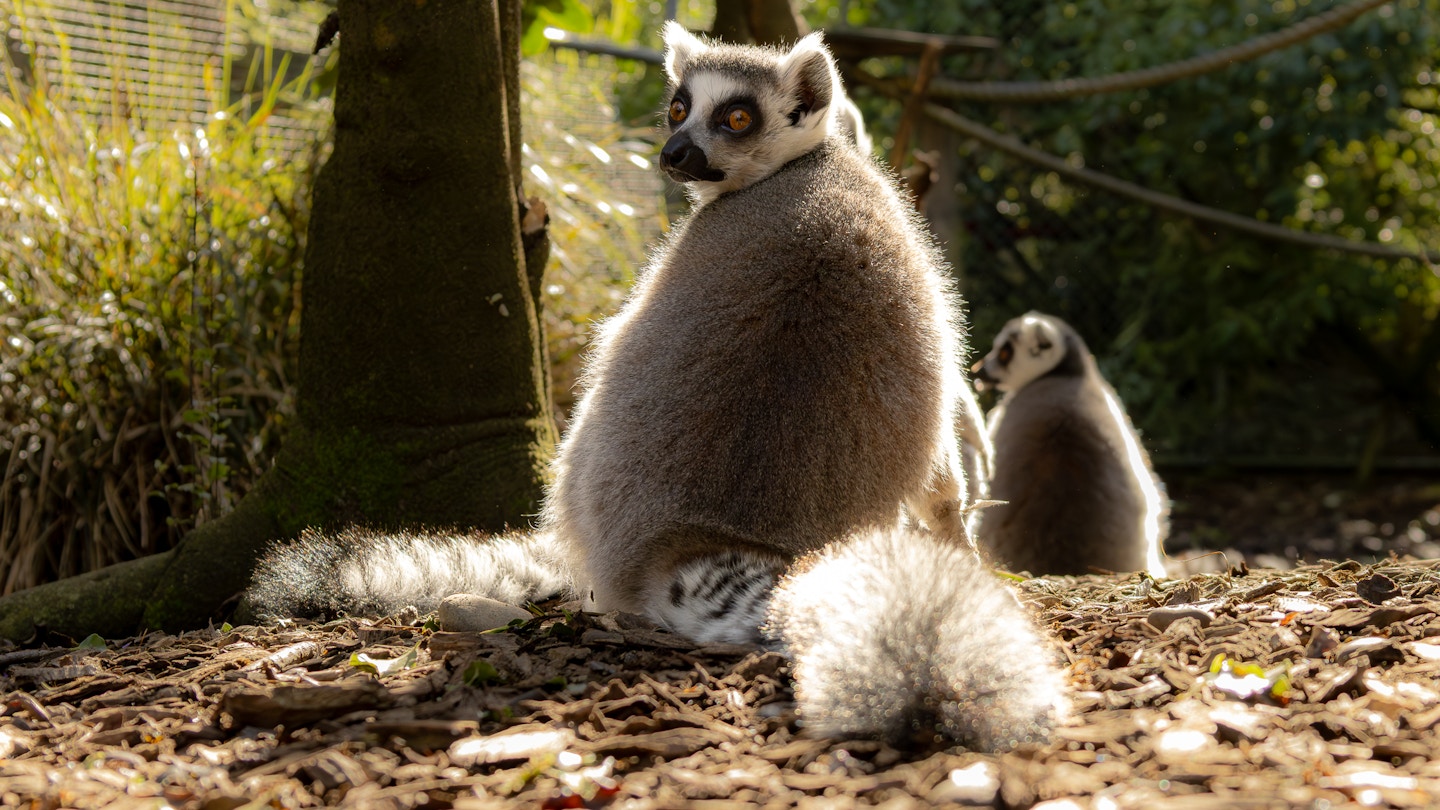
The striking ring-tailed lemur, instantly recognisable by its black-and-white striped tail, calls Willowbank home.
Highly social and active, they move and play in ways that give visitors a close look at their lives, while highlighting the urgent need to protect wild populations in Madagascar.
Ring-tailed Lemur Facts
Madagascar
Ring-tailed lemurs are endemic to Madagascar, mainly found in southern and southwestern forests and scrublands. They live in areas with a mix of dry forests, open woodlands, and rocky terrain.
Forests
Live in dry forests, spiny scrub, and rocky outcrops Ring-tailed Lemurs prefer areas with a mix of trees and open ground, which provide food, shelter, and safe spaces for social groups to move and forage.
Omnivore
Ring-tailed lemurs are curious omnivores, enjoying a mix of fruits, leaves, flowers, bark, and the occasional insect. Their flexible diet helps them adapt to changing seasons in the wild.
Social
Social, playful, and active during the day, they live in lively troops of up to 30. You’ll spot them foraging, sunbathing, grooming, and chatting away with calls and scent markings. Strong social bonds keep them connected as they move through their world together.
39–46 cm
Medium sized primates, they measure about 39–46 cm in body length, with tails adding another 56–63 cm, and weighing 2.2–3.5 kg.
16-19 years
Ring-tailed lemurs can live for 16–19 years in the wild, with some individuals reaching up to 25 years in protected or captive environments.
Endangered
Classified as Endangered, their populations are threatened by habitat loss, hunting, and human disturbance.
Exotic Area
You will find these sunbathing beauties in the exotics area, but why not get even closer by booking a Lemur encounter!

More animals
Visit Us
We’re open daily from 9.30am to 5pm - rain or shine. The only exception? Christmas Day, when we take a well earned break.
Book Now